Capability Building

Capability in Action
Capability is built when people can apply the right knowledge and skills in real situations.
Workshops
Learn and practise in a safe, supportive environment
Capability Coaching
Reflect, apply and adapt learning through everyday challenges
We help people grow where it matters most
Workshops
Our workshops help people build capability in six key areas:
Facilitation and Training
Identify needs, design solutions, and deliver learning that sticks
Interpersonal Effectiveness
Communicate clearly, handle difficult situations, and achieve results
Team Performance
Harness strengths, improve collaboration, and boost team outcomes
Business Relationships
Build strong internal and external relationships to support success
Influence without Authority
Gain buy-in and build credibility across and beyond the organisation
Capability Coaching
Turning Insight into Action
Capability coaching helps individuals apply what they know in real work situations, building confidence, adaptability, and lasting capability.
Our coaches guide, challenge, and support people to focus on practical development, set goals, reflect on progress, and identify ongoing learning opportunities.
Set clear, realistic development goals
Create and track practical development plans
Reflect on challenges and progress
Identify further learning and opportunities to grow
Learning that Lasts
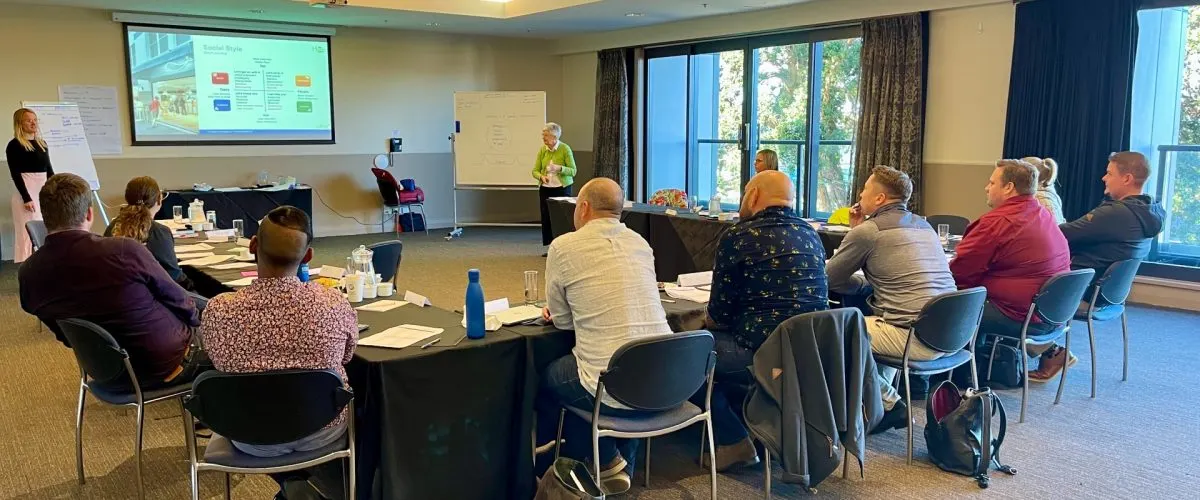
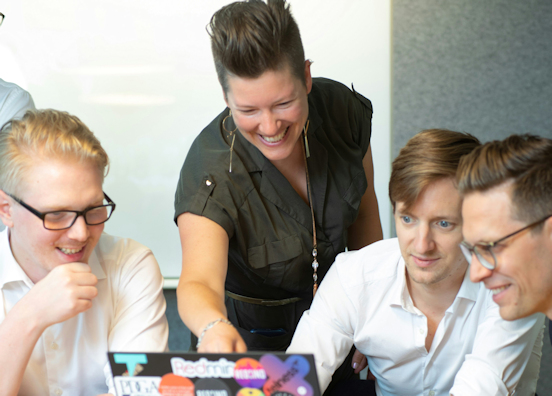
Real growth happens in the flow of work. Every workshop, assessment, or coaching session includes tools and follow-up designed to help people apply what they’ve learned.
We support managers and individuals to:
- Spot and seize everyday opportunities to practise new skills
- Build manager capability to coach and guide others
- Stay connected online for encouragement and timely advice
Turning Specialists into
Strong Facilitators
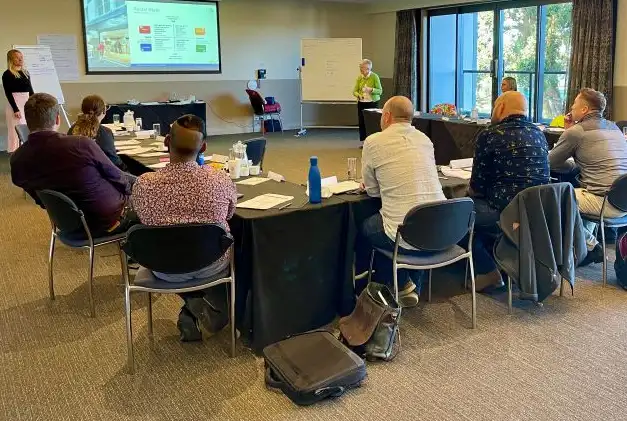
Situation: A group of external advisors, experienced in one-to-one work, were now required to run group sessions with highly knowledgeable participants. They didn’t want these sessions to become 'teaching' events - they needed to build true facilitation skills and the confidence to handle challenge groups.
___
Approach: We gathered their views on what felt hardest, then ran an introductory workshop that modelled facilitation techniques and provided plenty of practice. They paired up to try these skills in real settings, reflected on what worked, and brought insights back. A second workshop introduced more tools and helped each person build the capability to lead sessions independently.
___
Result: Participants gained confidence to run a range of group sessions, use different approaches, and manage challenging questions or behaviours. Peer support grew naturally, with shared planning and debriefing becoming the norm.

Training Team
Back on the Front Foot
Situation: A skilled training team was feeling sidelined. They weren’t always brought in early, their suggestions often went unheard, and working across multiple projects meant the team wasn’t operating as tightly as they wanted. Frustration was growing, and their influence was slipping.
___
Approach: Across a series of workshops, the team explored their purpose and the barriers holding them back. Real scenarios were analysed to uncover root causes, supported by new tools and models to see situations differently. Follow-up sessions built consulting, dialogue, performance analysis and relationship skills, with ongoing coaching for both the manager and an individual team member.
___
Result: The team built clearer ways of working together, developed a shared relationship plan, and grew more confident in presenting better ways forward. The manager gained clarity and focus, and the team moved from feeling stuck to contributing with far greater impact.

Handling Demands
with Confidence
Situation: A group of relatively new staff were struggling to manage demanding requests from senior colleagues. Situations were becoming stressful, sometimes escalating to HR, and managers weren’t always aware early enough. The team needed skills to assert themselves appropriately while knowing when to escalate.
___
Approach: We ran a series of light lunchtime sessions over several weeks, giving participants time to try approaches in the real world and bring their reflections back to the group. Sessions included sharing experiences, exploring boundaries and responsibilities, practising assertive responses, handling push-back, and recognising when issues required manager involvement.
___
Result: The team developed confidence to set boundaries and handle inappropriate requests. Escalations to management dropped as participants handled situations themselves. Overall engagement with managers became more positive and problem-solving focused.